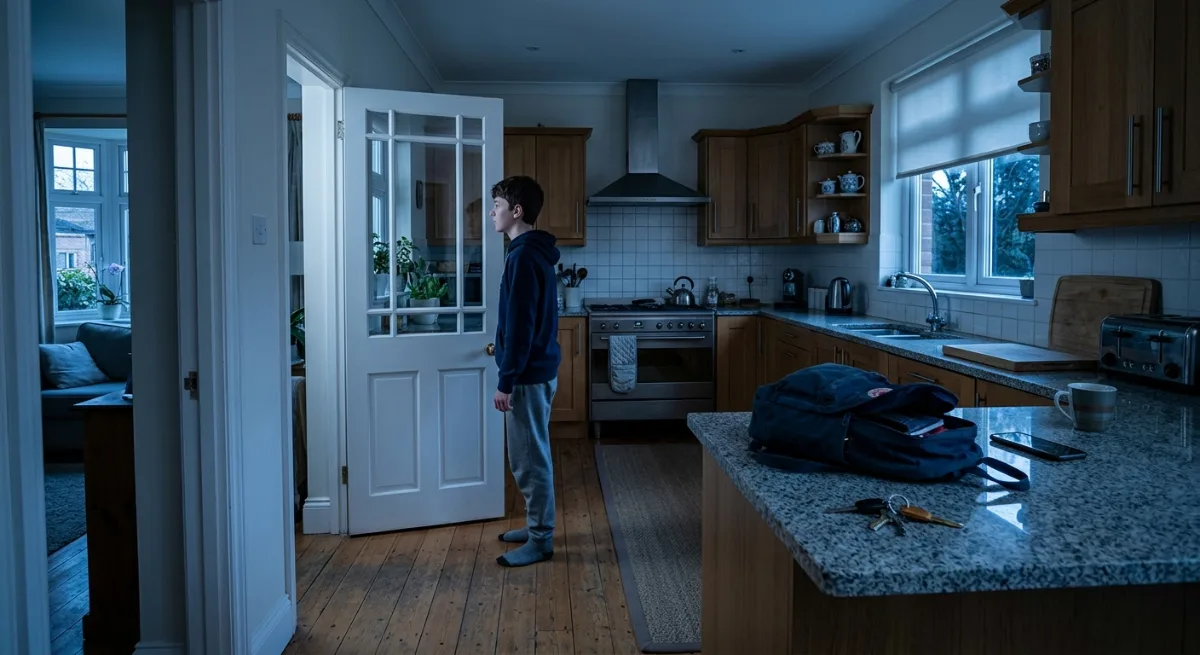
Why your teenager rejects the morning routine that worked
The visual schedule on the kitchen wall worked for five years, but now your teenager walks past it with clear frustration. You still need them to eat, gather their things, and head out the door on time, but speaking the steps aloud now sparks an immediate argument. The routine did not fail because the steps became confusing; it failed because following a childhood checklist costs your teenager their dignity.
Outgrowing childhood schedules brings quiet embarrassment
Executive function does not suddenly reorganize itself when a child enters adolescence. An autistic teenager or a teen who has ADHD may still need external cues to initiate tasks, track time, and transition between waking up and leaving the house. What changes during adolescence is the sharp awareness that peers manage their mornings without visual boards or parental oversight.
That realization turns a familiar support system into a painful symbol of difference. Standing in the kitchen while a parent points to a laminated card feels acceptable at age nine, but at fourteen it feels like being managed like a small child. The resentment you see in the morning is rarely about the task itself; it is about the social weight of the tool.
Teens will often choose being late or forgetting an item over the indignity of using an elementary support. When preserving self-respect conflicts with following an old routine, self-respect wins every time. Recognizing that choice helps you shift the conversation from perceived defiance to age-appropriate redesign.
Separate executive function friction from tool fatigue
When an adolescent ignores a morning prompt or drags their feet, it is easy to assume they are rejecting the responsibility of getting ready. In reality, there is a distinct difference between task initiation difficulty and resistance to the way the prompt is delivered. Your teen might genuinely want a smooth morning, yet feel trapped between needing scaffolding and hating the feeling of being supervised.
Spoken reminders from parents carry tone, history, and perceived evaluation, even when delivered with patience. Every verbal nudge reminds the teenager that someone is standing over them, watching their progress before the day has even started. When the medium itself creates emotional friction, working memory gets flooded with defensive reactions instead of the steps required to get dressed.
Executive dysfunction is not a lack of motivation or a character flaw. It is a genuine delay in organizing steps, and piling parental urgency on top of it only increases anxiety. Removing your voice from the sequence allows their brain to process the task without having to manage a relational interaction at the same time.
Replace parental prompting with neutral digital tools
Restoring a functioning morning does not mean abandoning structure altogether. It means replacing hands-on parenting prompts with neutral tools that your teenager operates from their own devices. Moving the cue away from a parent's voice removes the dynamic of authority and compliance from basic daily tasks.
Phone alarms, silent vibrating timers, and automated messages create a predictable framework without the feeling of being watched. A scheduled text from a service like Loved One Check In delivers a neutral morning prompt at the exact same time each day, allowing an older teen to acknowledge a step privately on their screen. The external cue remains reliable and steady, but the interaction treats them like an emerging adult rather than a child being guided through chores.
Letting your teen choose the format of these cues gives them genuine ownership over the process. Some teens prefer simple text confirmations, while others work best with calendar alerts or silent timers on their wrists. What matters is that the system belongs to them, stays private from their peers, and functions without commentary.
Notice which small decisions you can step back from
Transitioning to teen-controlled routines involves trade-offs that can feel uneasy at first. You might have to watch them pack their bag in an unconventional order, or eat breakfast ten minutes later than you would prefer. As long as the outcome is met and they leave safely, the exact sequence matters far less than their growing autonomy.
Tomorrow morning, pay attention to the exact moment where your voice usually enters the room to redirect them. Choose one spoken prompt to drop entirely, and agree together on an automated cue your teenager manages on their own. When you step out of the role of daily dispatcher, you give your teenager the dignity and space they need to build their own rhythm.