Why a neighbour watching your parent is not a safety plan
Your dad says he is doing fine, and the woman next door promised to keep an eye on him. You exchanged phone numbers across the fence, exhaled for the first time in weeks, and drove home thinking the gap was covered. That casual promise feels like a safety net, but it often creates an illusion where everyone assumes someone else is paying attention.
When safety relies on an unwritten understanding, both sides start making dangerous assumptions. You assume your neighbour will notice a missed morning routine, while the neighbour assumes you are in close daily contact. If something goes wrong quietly behind closed doors, days can pass before anyone realizes neither person actually checked.
Passive goodwill cannot replace a scheduled routine
There is a vast difference between being friendly and being responsible for someone else. A neighbour notices when your parent takes out the rubbish bins on Tuesday, but they rarely notice when the bins stay inside on a rainy morning. They have their own jobs, errands, and family obligations that pull their attention away.
When you rely on passive observation, you ask a neighbour to monitor patterns they do not fully understand. If they do not see your mother by mid-afternoon, they assume she is sleeping late or visiting a friend. Meanwhile, you assume they would have called if anything was out of place.
This is the classic bystander trap. Because an agreement exists on paper, your vigilance drops, yet no actual verification takes place. You end up with less real oversight than if you had no arrangement at all.
Schedule shifts turn small delays into silent blind spots
Informal arrangements break down the moment daily habits shift. A doctor appointment runs late, a porch light stays on by accident, or bad weather keeps everyone indoors. In those moments, visual cues fail completely.
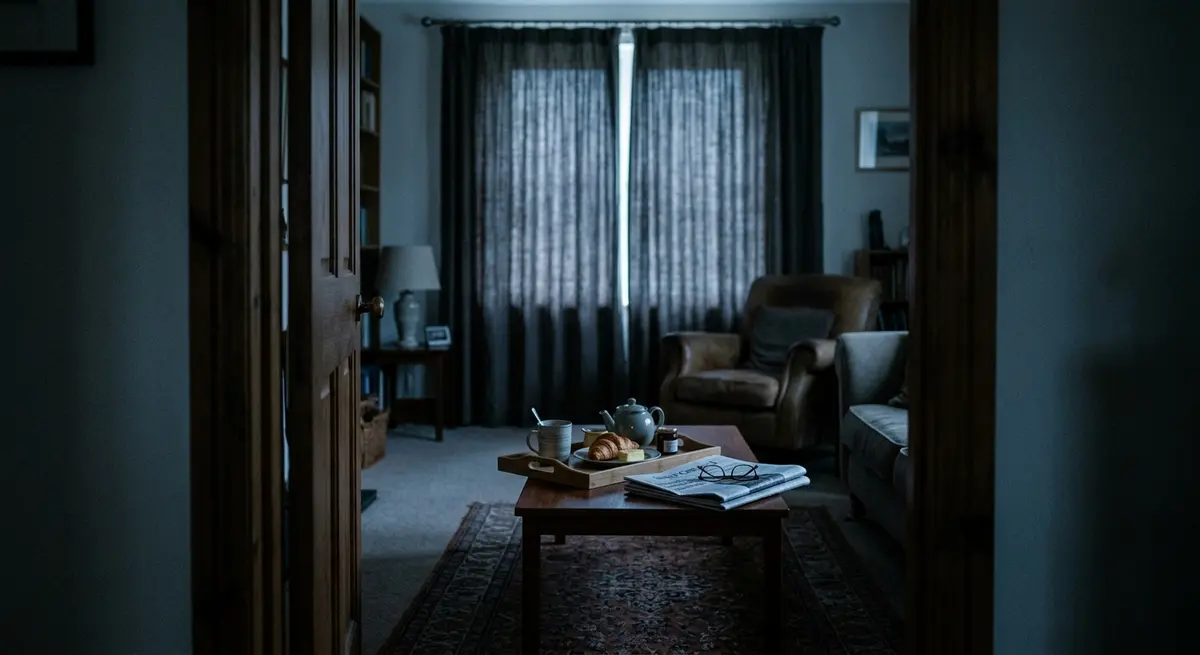
If your parent has a slow morning and leaves the blinds drawn, a neighbour might walk past without thinking twice. They do not want to be intrusive, so they talk themselves out of knocking on the door. You might also hesitate to reach out to them, wondering when to call a neighbor instead of driving over, while hours slip by.
Both of you end up trapped by politeness. You do not want to burden the neighbour with false alarms, and the neighbour does not want to overstep their boundaries with your parent. The silence feels normal right up until it is not.
Define clear triggers instead of asking for general oversight
If you ask a neighbour for help, remove the guesswork. Vague requests like keeping an eye out put an unfair emotional burden on them and leave safety up to chance. Instead, agree on specific, visible triggers that warrant a phone call to you.
Give them two or three concrete things to look for, such as morning newspapers piling up by noon or mail left overnight in the box. Tell them clearly that you do not expect them to enter the house or handle medical emergencies. Their role is simply to alert you to visible irregularities on the property.
Make sure your parent is part of this conversation as well. When an aging parent feels secretly watched from across the street, they often withdraw, making it harder to know what to do when your aging parent always says they are fine. Clear boundaries protect their dignity while keeping expectations realistic.
Separate daily check ins from physical escalation
Neighbours are an invaluable resource for emergencies, but they should never serve as your primary monitoring system. Asking someone next door to confirm daily wellbeing every morning turns a casual friendship into an unpaid obligation. Over time, that routine wears thin, leading to skipped days and missed signs.
A sustainable plan separates the daily confirmation from physical visits. Automated services like Loved One Check In handle the routine morning text to verify your parent is up and responsive, alerting you directly if a message goes unanswered. That preserves your neighbourly goodwill for the rare moment when you genuinely need someone to walk over and knock.
Look at your current care routine today. Reach out to the neighbour to thank them, clarify the exact two or three physical signs they should call you about, and take the daily burden of checking in back into your own hands.