Setting up a distance check in routine after a move
When your parent unpacks in a new home miles away, the physical distance makes every silent hour feel heavier. You want to know they are safe on their feet each morning, but you do not want your worry to feel like a leash on their independence. Balancing your quiet anxiety with their dignity starts with how you frame the agreement.
Frame the daily check as a favor for your own nerves
If you tell your parent that you need a daily call to ensure they have not fallen, they will hear that you doubt their ability to live alone. Nobody wants to feel managed, especially right after the vulnerable disruption of moving into a new space.
Put the burden of the request entirely on your own schedule and distance anxiety. You can say: "Now that you are further down the road, I catch myself worrying during my morning commute. It would help my focus at work if we had a quick baseline text every morning, just so I know you are up."
This shifts the dynamic from supervision to mutual consideration. If you want to explore the balance further, read our guide on how to check in on aging parents without hovering.
Treat the curfew objection as a design problem
The most common pushback to a scheduled check is that it feels like an adolescent curfew. An independent adult does not want to be penalized for sleeping in until nine or sitting in the garden without their phone.
Make the check frictionless by removing the expectation of a full conversation. Agree in advance that the check is strictly an operational ping, not a social visit that requires sitting down with a cup of tea.
A single character, a thumbs-up emoji, or a simple reply word is all it takes. When your parent realizes the interaction takes four seconds and does not interrupt their morning routine, the feeling of surveillance fades away.
Decide on a fallback plan before a message goes unanswered
The true test of a distance routine comes on the morning your parent leaves their phone on the charger and walks to the mailbox. If you do not have a defined escalation ladder, twenty minutes of silence will send your mind straight to catastrophe.
Agree on a specific timeline so both of you know what happens next. You might agree that if a morning check goes unanswered by ten, you will send a second text, wait forty-five minutes, and then call once.
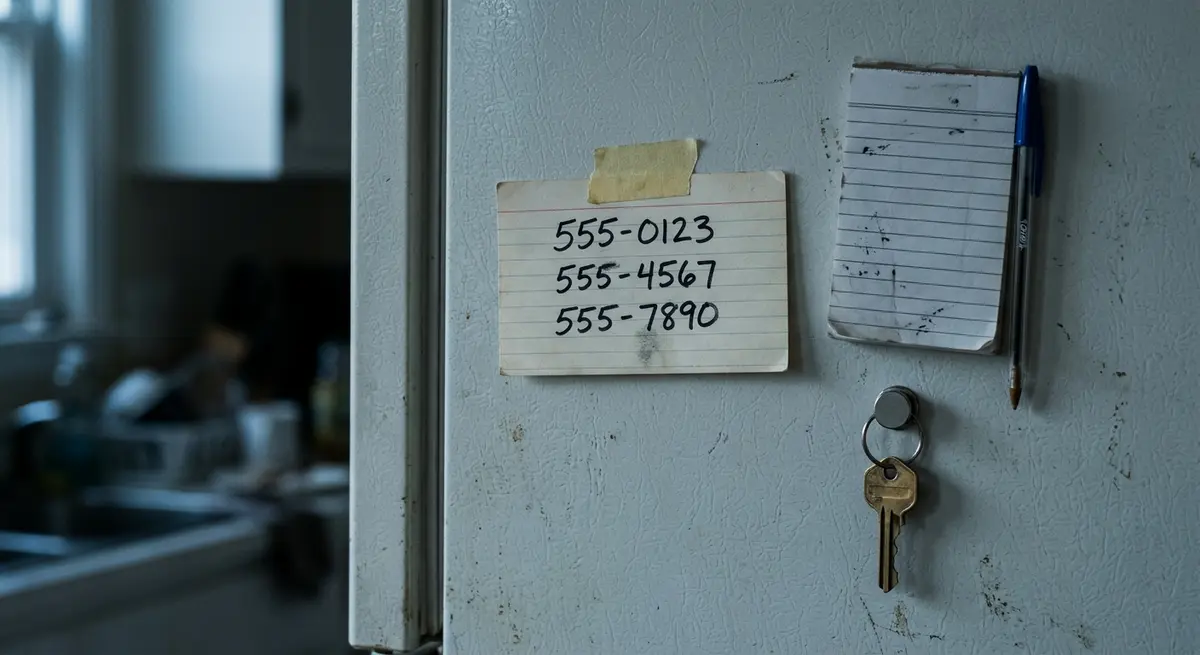
Collect the contact details for one local neighbor or the new building superintendent ahead of time. Knowing exactly who to call if a check stays silent keeps you from overreacting or sending emergency services for a misplaced handset.
Separate daily safety from your personal conversations
When every phone call doubles as a safety audit, calls start to feel like chores for both of you. You spend the first ten minutes probing for signs of trouble, and your parent spends those minutes defending their self-sufficiency.
An automated tool like Loved One Check In can handle the daily confirmation by text, quietly verifying the morning baseline in the background. That leaves your actual calls free for family news, weekend plans, and normal life.
Take ten minutes this weekend to write down the emergency contacts for your parent's new neighborhood on a card for your fridge. Notice how much lighter your phone feels when you no longer have to invent reasons to check if they are awake.